

Overview



Map
Other Details
دير مار أنطونيوس الكبير
Aarbet Qozhaiya
Zgharta
North
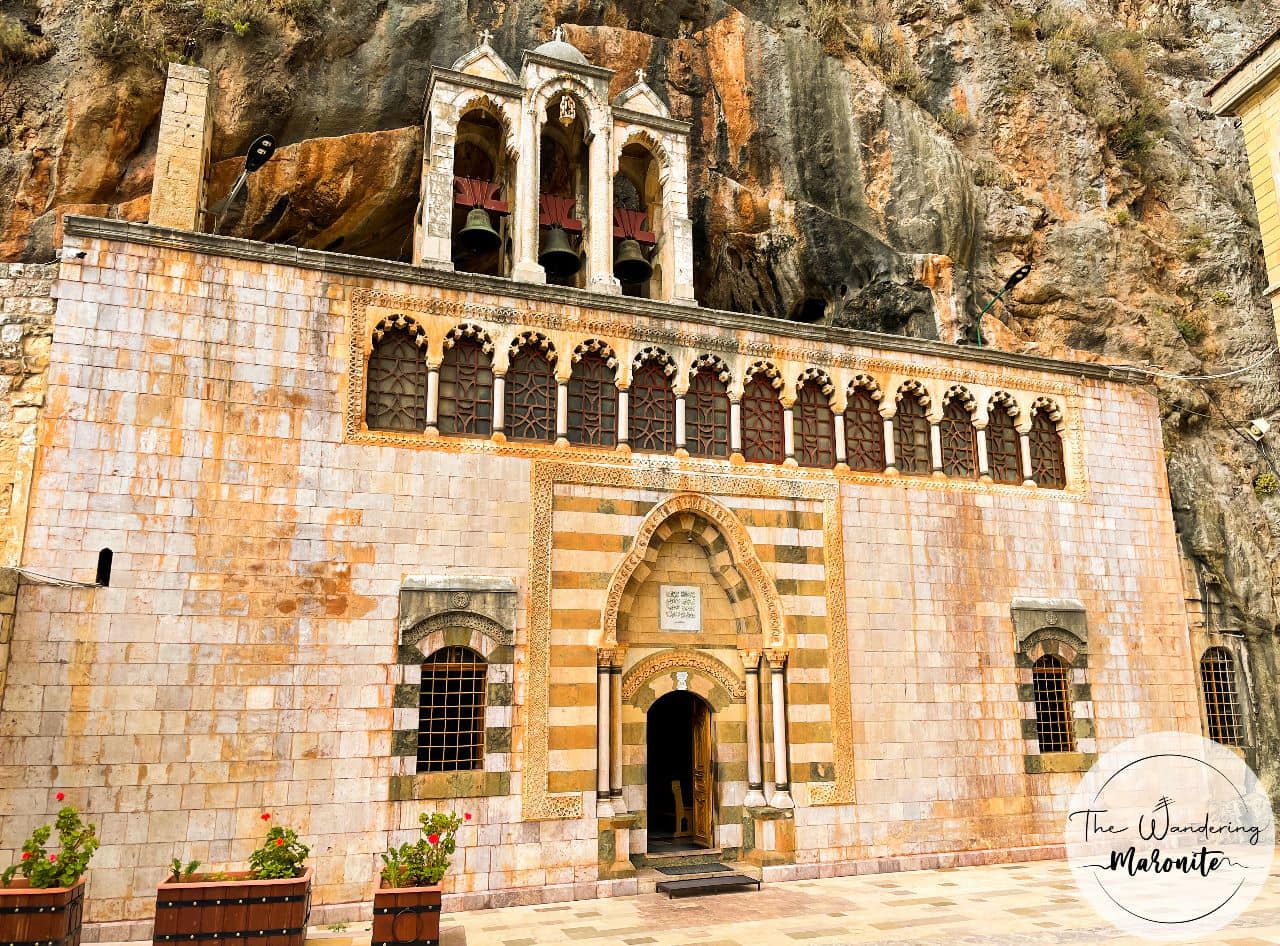
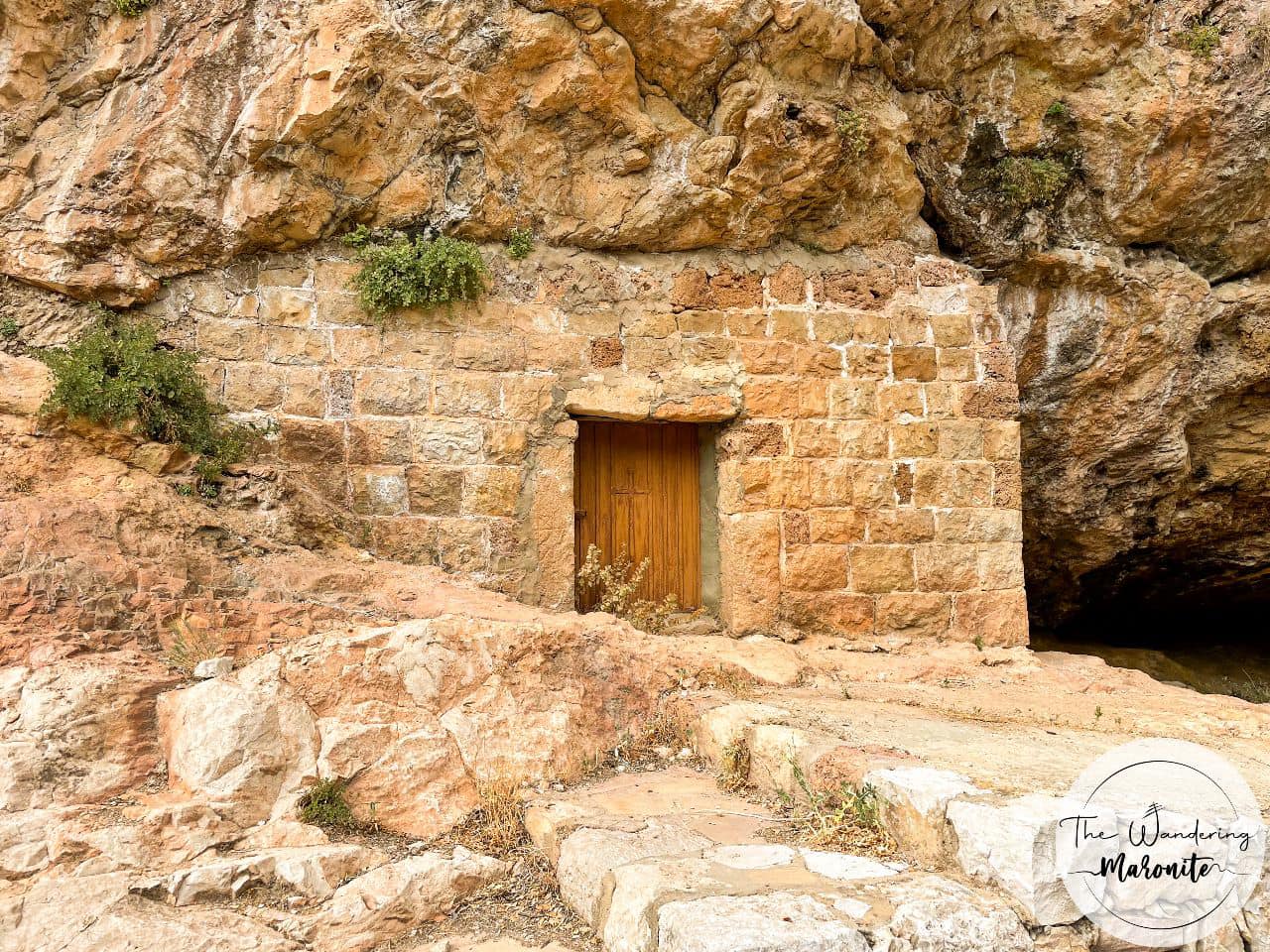
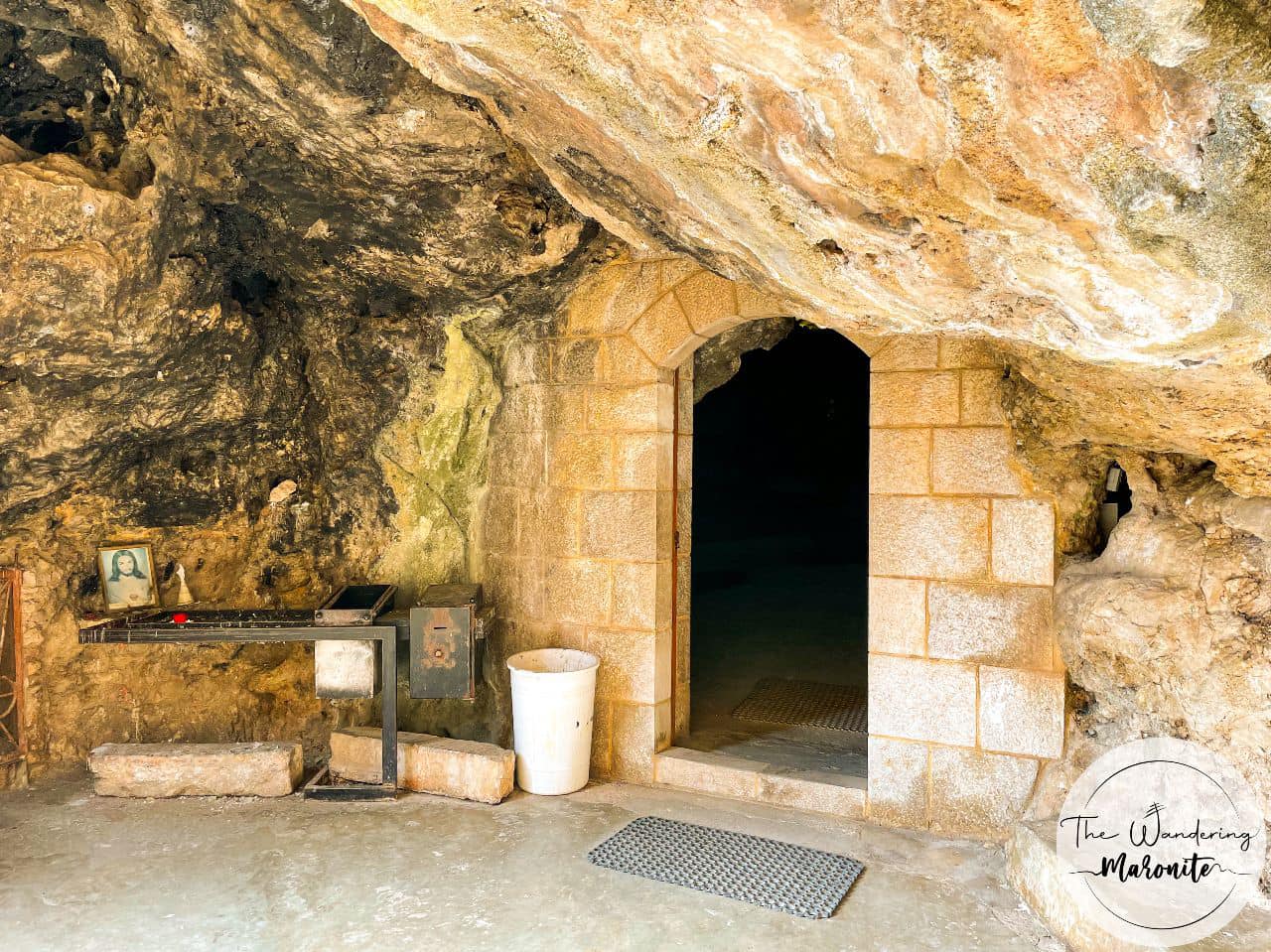
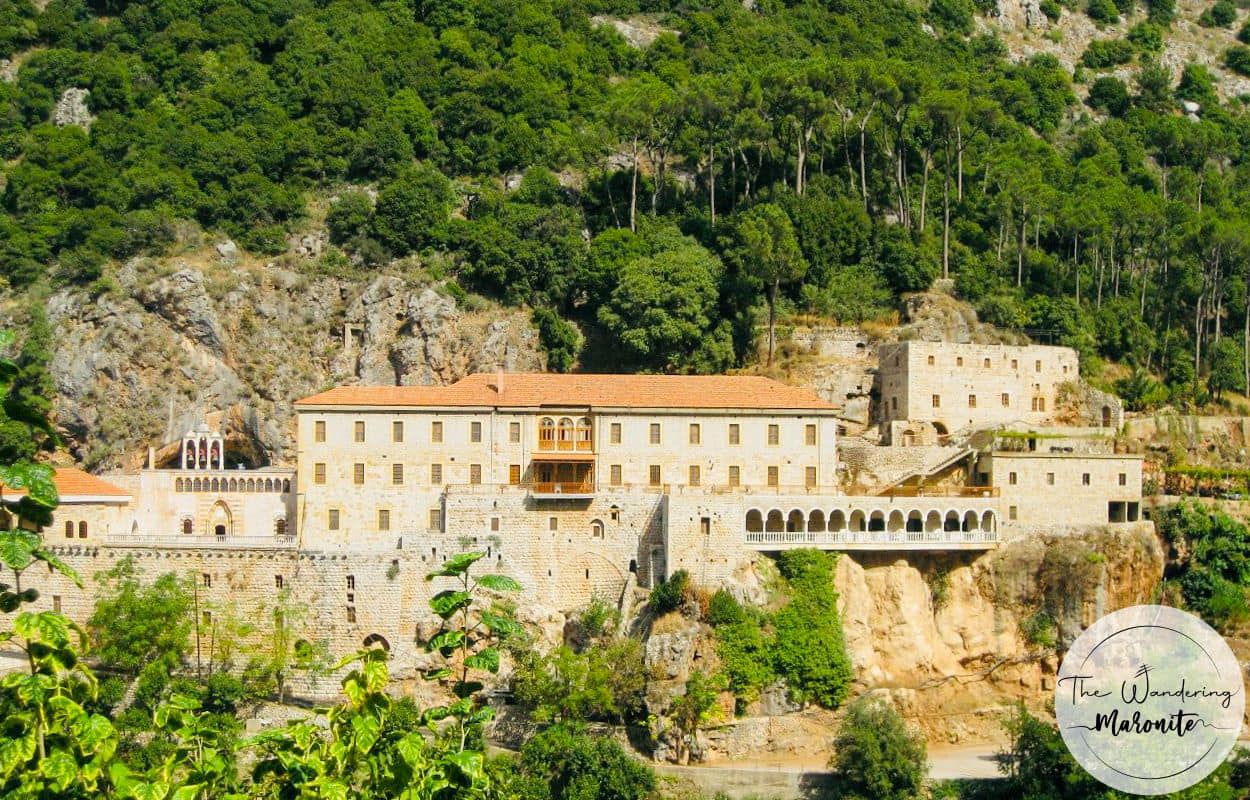
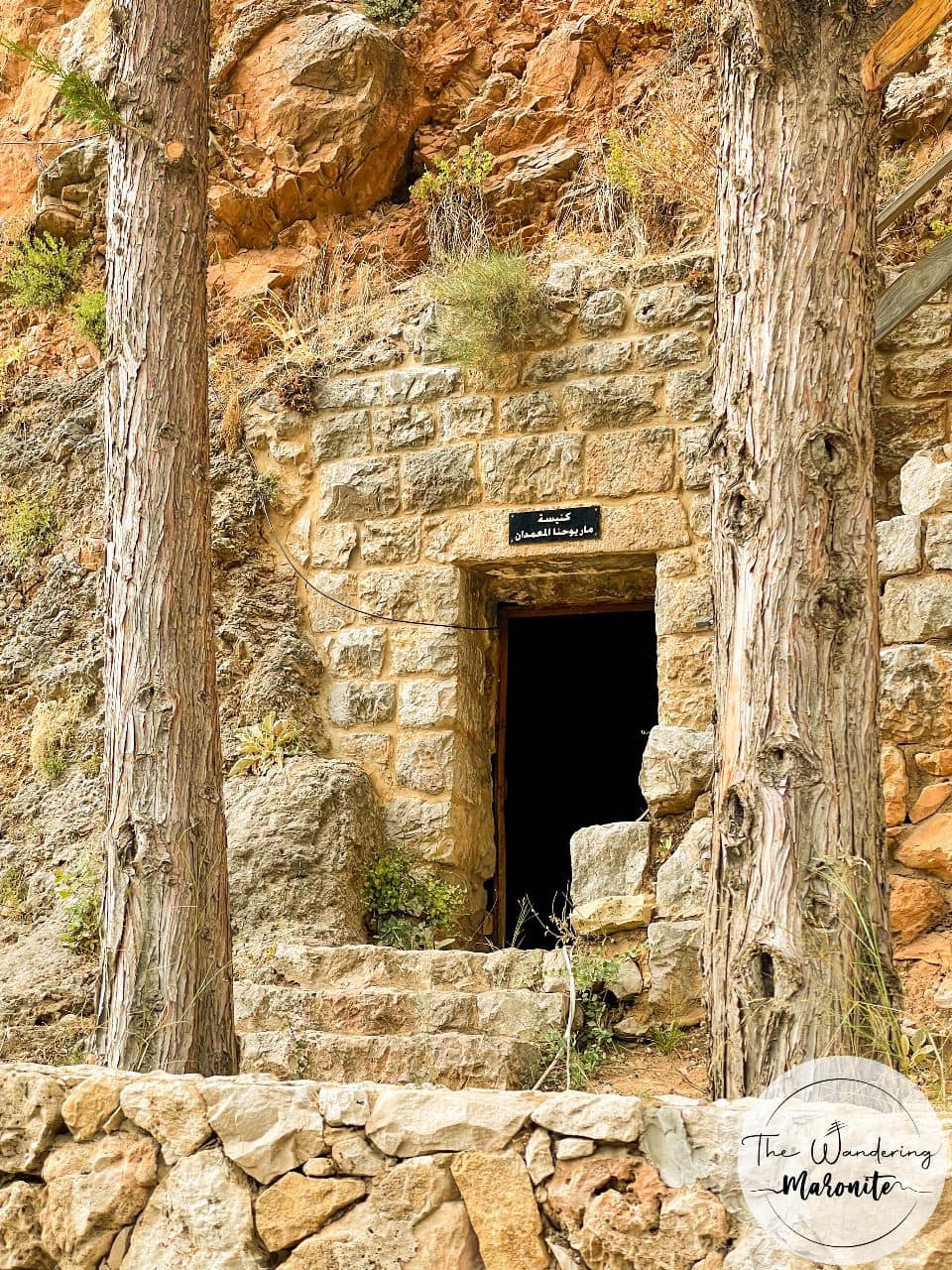
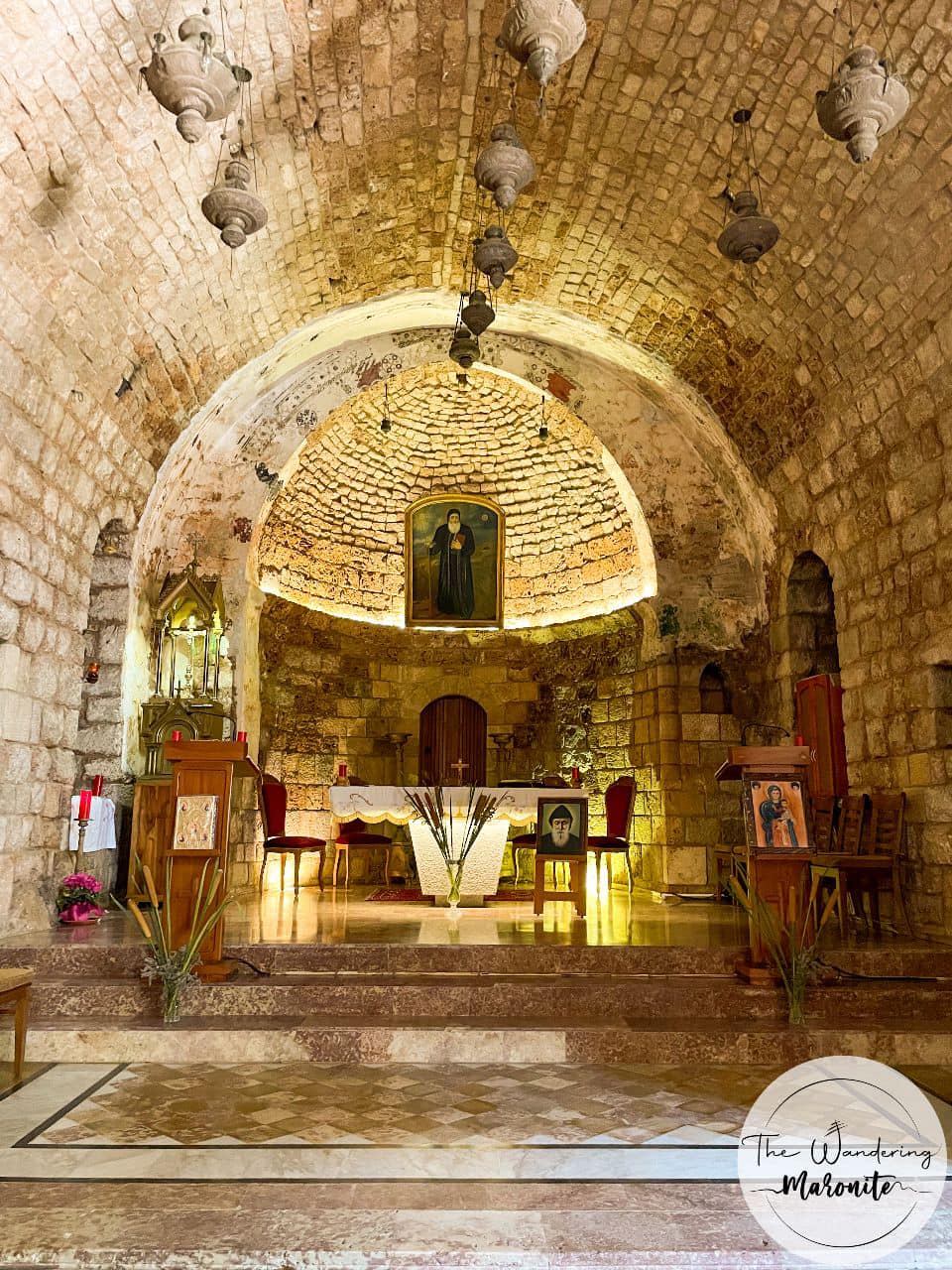
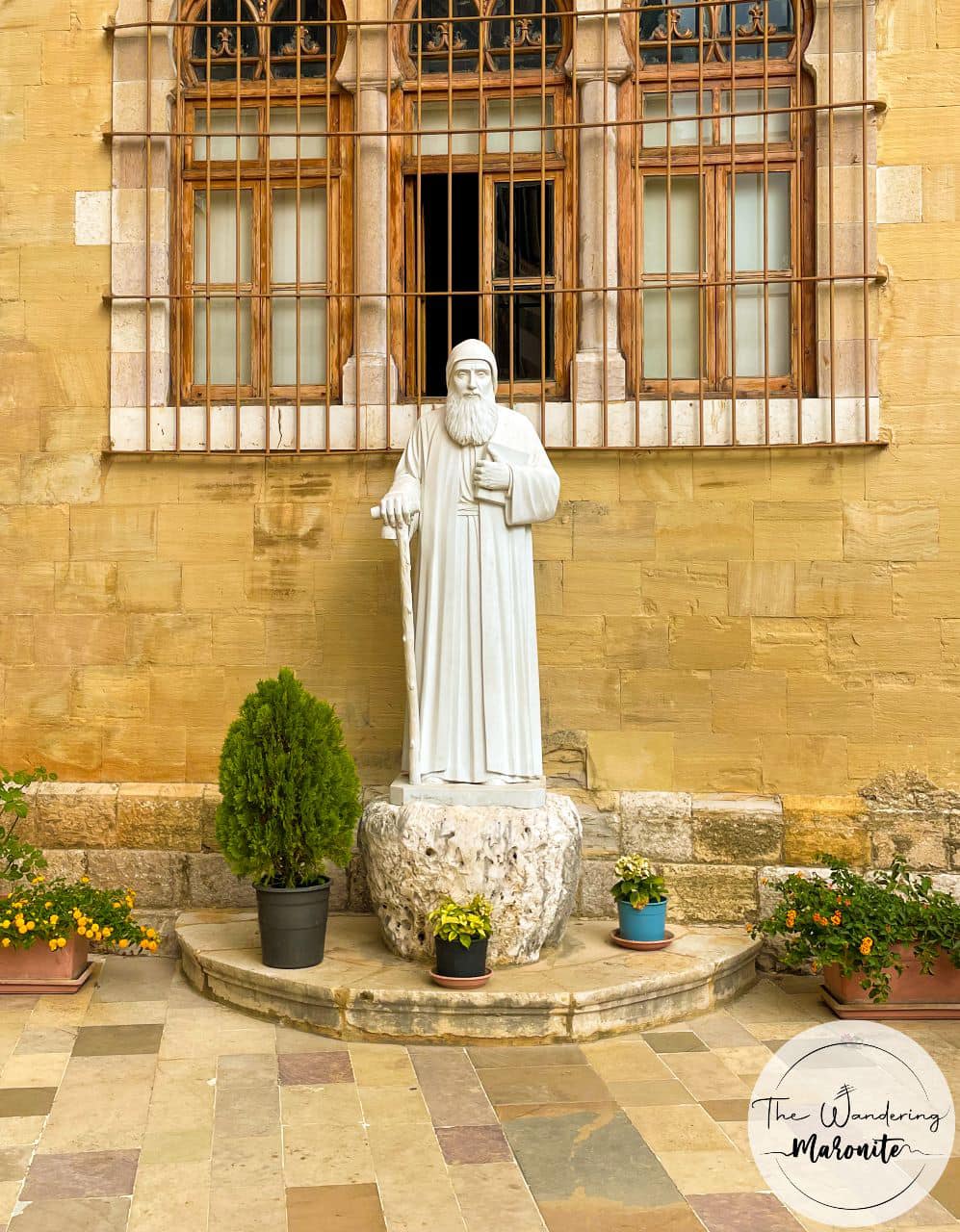
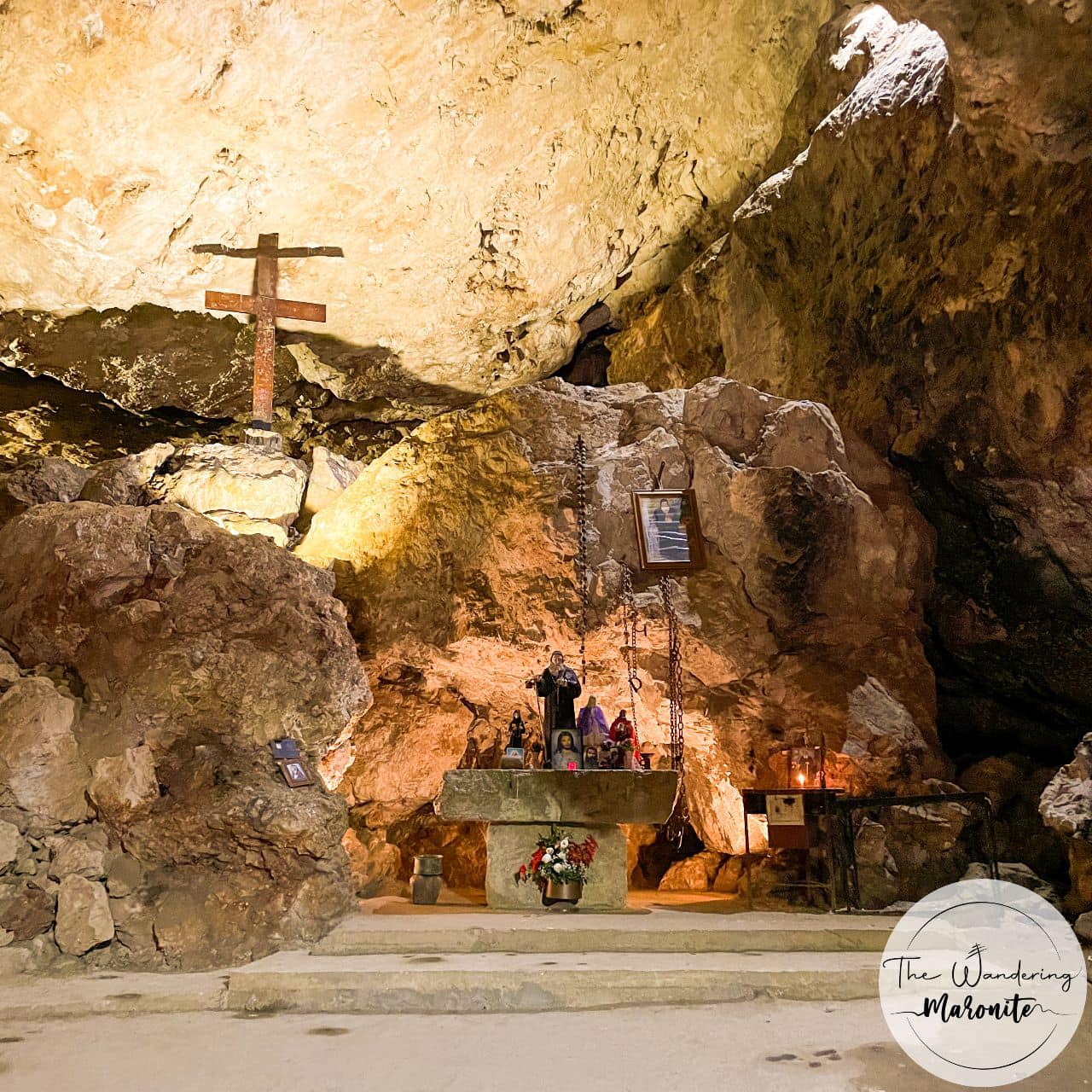
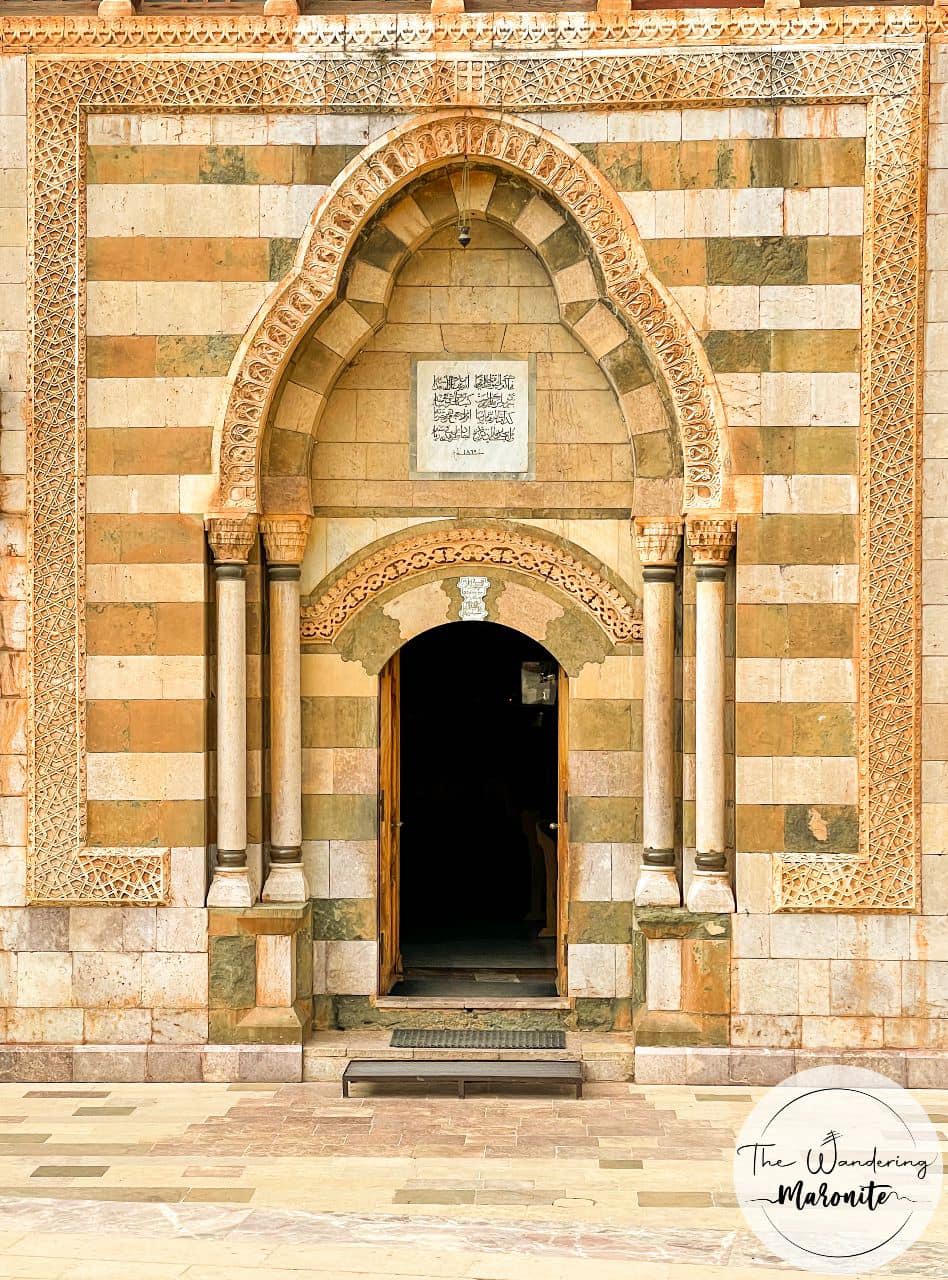
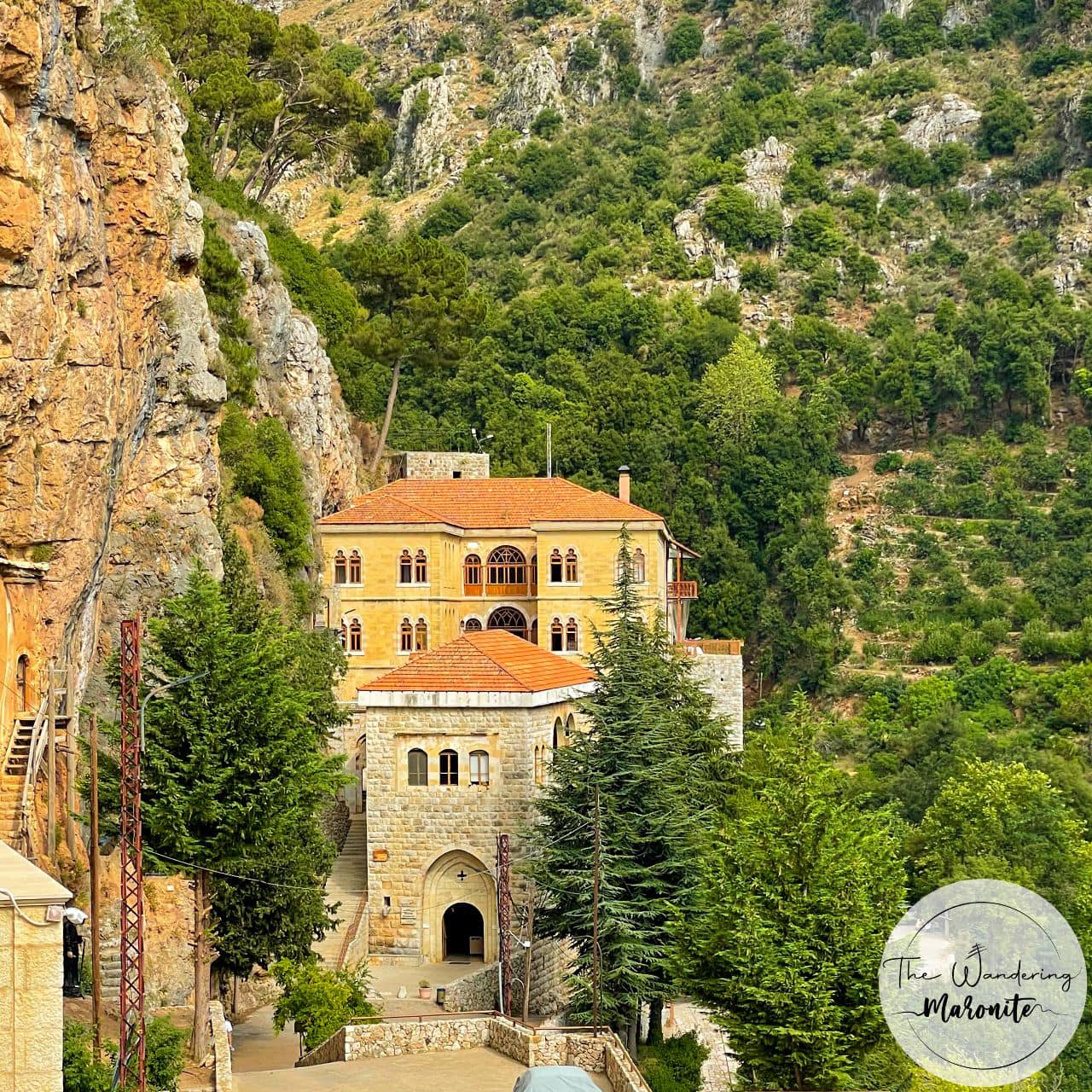
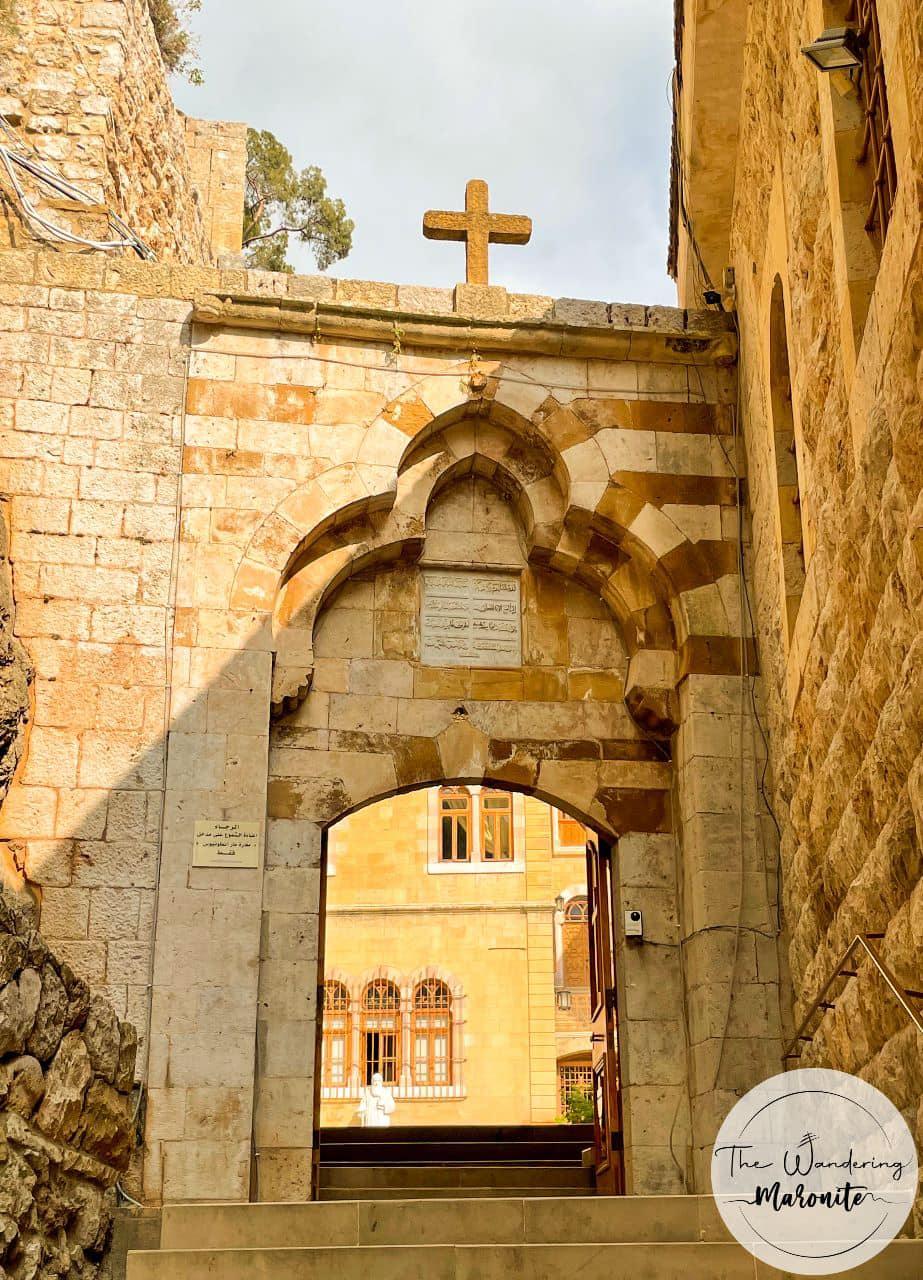
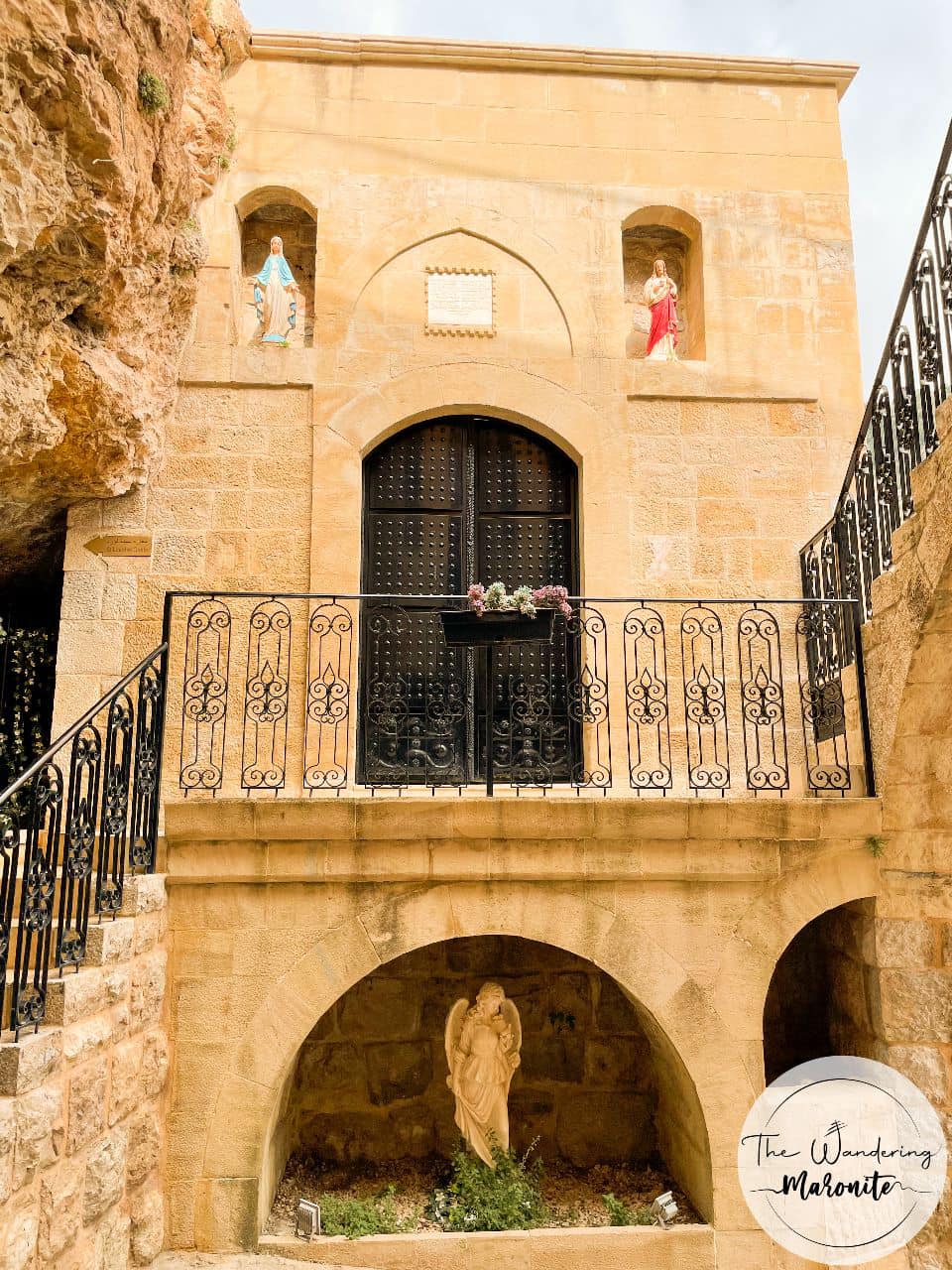
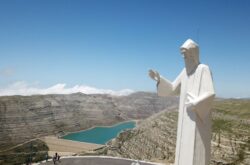
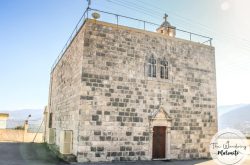
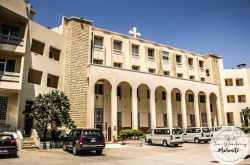
دير مار أنطونيوس الكبير – قزحيَّا يقع الدير في وادي قزحيَّا (الكنز الحيّ). يرجِّح المؤرِّخون تأسيس هذا الدير، في أوائل القرن الرابع. في الدّير آثار من تأسيسه أهمّها عصا رعاية من الملك لويس التاسع. سنة ١٢١٥ بعث البابا إينوشنسيوس الثالث، براءة إلى البطريرك إرميا العمشيتيّ تذكِّر بأنَّ دير قزحيَّا هو أوَّل كرسيّ أسقفيّ مارونيّ. كان الدير، منذ القديم، ركيزة الحياة النسكيَّة في الكنيسة المارونيَّة. بقربه قامت عدّة محابس تابعة له. وتجدر الإشارة إلى أنَّ أوَّل مطبعة وصلت إلى الشرق كانت في دير قزحيّا سنة ١٦١٠. تَسلَّمت الرهبانيَّة اللبنانيَّة الدير، سنة ١٧٠٨. حَلَّت بالدير نَكبات من الطبيعة؛ ونكبات من جور المضطهِدين. سنة ١٨٢٨ بُنيت كنيسة الدّير الحاليّة. في أثناء الحرب العالميَّة الأولى، قام الدير بإيواء جميع الوافدين إليه وإعالتهم. يضم الدّير العديد من الآثار، أخذ شكله الحاليّ في عشرينيّات القرن الماضي ورمّم في آخره. هو من أهمّ الأديار المارونيّة، ومركزًا للحجّ والخلوة The Monastery of St. Anthony the Great - Qozhaya. The Monastery sits on a cliff in the valley of Qozhaya (meaning the treasure of life). According to archeologists, the monastery dates back to the 4th century. Evidence of its importance includes a cross given by King Louis IX and a bull from Pope Innocent III, dating back to 1250, which granted Qozhaya precedence over other Maronite monasteries. Qozhaya had a hermitical tradition, and as a result, many hermitages were built near it. In 1610, the first printing press of the Middle East was brought to Qozhaya. In 1708, the Lebanese Maronite Order acquired the monastery. The monastery has suffered from natural disasters and the despotism of rulers. In 1828, a great church was built. During World War I, the monastery served as a refuge. In the 1920s, the monastery took on its current structural shape, and was restored in the 1990s. It is considered a major pilgrimage site for Maronites around the world.
Visited 7100 times, 3 Visits today
Reviews are disabled, but trackbacks and pingbacks are open.